10 Things Your Cleaner Checks During an End of Lease Inspection in Perth
What do Perth property managers actually look for during an end of lease inspection? We reveal the 10 most-checked areas — and how to make sure yours passes first time.
By Supakleen Team
If you're moving out of a rental property in Perth, the end of lease inspection is the moment of truth. Pass it, and your full bond is returned. Fail it, and you could be hundreds — or even thousands — of dollars out of pocket.
The tricky part is that most tenants don't know exactly what inspectors are looking for. Property managers in Perth are experienced and methodical. They've seen every corner-cutting trick in the book, and they know exactly where to look for missed cleaning.
At Supakleen, we've completed end of lease cleans across hundreds of Perth properties. We know what gets missed, what gets flagged, and what separates a successful bond return from a disputed one. Here are the 10 most important things checked during every end of lease inspection.
1. The Oven — The Number One Bond Killer
The oven is consistently the most common reason bonds are partially withheld in Perth. After months or years of cooking, ovens accumulate baked-on grease and carbon buildup that is genuinely difficult to remove without professional degreasers.
Inspectors open the oven door, pull out the racks, and check every surface — the walls, the roof of the cavity, the door glass (inside and outside), and the grill tray. They also check the stovetop burners and drip trays.
A standard household oven cleaner simply isn't strong enough for a bond clean. Professional cleaners use commercial-grade degreasers that break down the most stubborn buildup. Don't risk your bond on a can of supermarket oven spray.
2. Carpet Condition and Steam Cleaning
Carpets are the single largest surface area in most rental properties and one of the most scrutinised elements of any end of lease inspection. In Perth, most rental agreements specifically require that carpets be professionally steam cleaned at the end of tenancy — and a receipt must be provided as proof.
Inspectors check for stains, odours, and general dirt. They'll also look at the edges of rooms and under doors where dust and debris accumulate. Even if the carpets look clean to the naked eye, an inspector may assess them more closely if they weren't professionally cleaned.
Supakleen's end of lease service includes professional carpet steam cleaning, so you only need one booking for the entire property.
3. Window Tracks and Sills
Window tracks are one of the most commonly missed cleaning spots in any DIY bond clean. Over time, they fill with dust, dead insects, mould, and grime — and they're notoriously difficult to clean without the right tools.
Inspectors crouch down and look at every window track in the property. They also check the sills for dust and marks. If yours haven't been cleaned, they'll be noticed immediately.
This is one area where professional cleaners make a big difference — we have the tools and techniques to remove even the most stubborn buildup from window tracks efficiently.
4. Bathroom Tiles and Grout
Bathrooms are under intense scrutiny during end of lease inspections. Inspectors look for mould, soap scum, limescale, and grout staining on every tiled surface.
The most common issues are:
- Mould in grout lines — especially in showers and around bath edges
- Soap scum on tiles — builds up over time and requires specific products to remove
- Limescale around tapware — the hard water deposits that form rings around taps and showerheads
Light surface mould can be treated, but if mould has penetrated the grout, it may require re-grouting — which is a landlord's responsibility if the ventilation was inadequate. Document any pre-existing mould from your ingoing condition report.
5. Shower Screen Glass
Shower screens are surprisingly difficult to get spotless. Water spots, soap scum, and hard water mineral deposits build up on glass over time and don't respond to regular cleaning products.
Inspectors hold shower screens up to the light and look for streaks, watermarks, and soap residue. A streaky or spotted screen will be flagged, even if the rest of the bathroom is clean.
Professional cleaners use specialised glass treatments that remove mineral deposits without scratching the surface.
6. Door Frames and Architraves
Door frames and architraves are touched hundreds of times throughout a tenancy — and they show it. Fingerprints, marks, and grime accumulate along the tops and sides of every door frame in the property.
Inspectors run their eye (and sometimes their finger) along door frames and architraves throughout the property. This is an area that's almost always missed in a DIY clean, and it's quick to check.
7. Light Fittings and Exhaust Fans
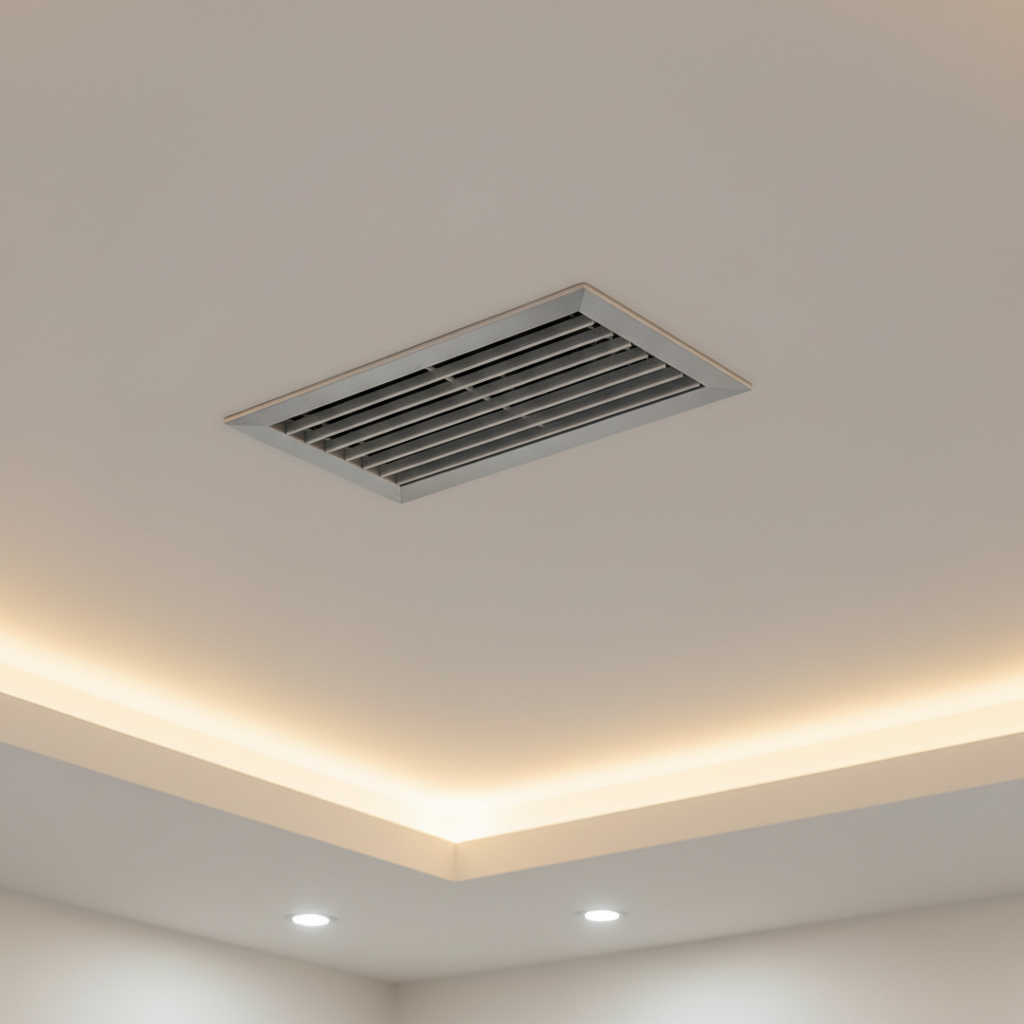
Look up — inspectors do. Light fittings and exhaust fans are checked in every room. Dusty light covers, insect-filled pendant lights, and clogged exhaust fan covers are all inspection fails.
Exhaust fans in bathrooms and laundries are particularly important. A clogged fan not only looks bad — it's a ventilation issue that can contribute to mould growth. Inspectors know this and check accordingly.
8. Skirting Boards Throughout
Skirting boards run along every wall in every room of the property. They collect dust, marks, and grime, especially in corners and along high-traffic areas.
Inspectors walk through each room checking skirting boards as they go. Missed or partially wiped skirting boards are a common reason for partial bond deductions, particularly in larger homes.
9. Walls — Marks, Scuffs, and Stains
Walls are assessed for marks and damage beyond fair wear and tear. General scuffs from furniture or minor marks are usually considered fair wear and tear, but crayon drawings, large stains, or damage from picture hooks may be treated differently.
Professional cleaners use appropriate products to remove wall marks without damaging the paint. It's also worth checking your ingoing condition report to confirm any pre-existing marks were documented.
10. Garage, Patio, and Outdoor Areas
Don't forget what's outside. Inspectors check the garage (including oil stains on the floor and cobwebs in corners), the patio or alfresco area, and any garden areas included in the lease.
Garages are often used for storage and can accumulate significant dust, dirt, and grime. The floor needs to be swept and any oil stains treated. Patios should be swept and washed. Gardens should have lawns mowed, edges trimmed, and weeds removed.
How to Guarantee Your Inspection Passes
The most reliable way to ensure your end of lease inspection passes in Perth is to hire a professional cleaning company that specialises in bond cleans — and to choose one that backs their work with a guarantee.
At Supakleen, every end of lease clean comes with a 7-Day Re-Clean Guarantee. If your property manager identifies any cleaning issues within 7 days of our service, we return and fix them at no cost to you.
We service all Perth suburbs and respond to quote requests within the hour. Get your free quote today or call 0493 847 515.
Don't leave your bond to chance — let Perth's end of lease cleaning specialists take care of it.